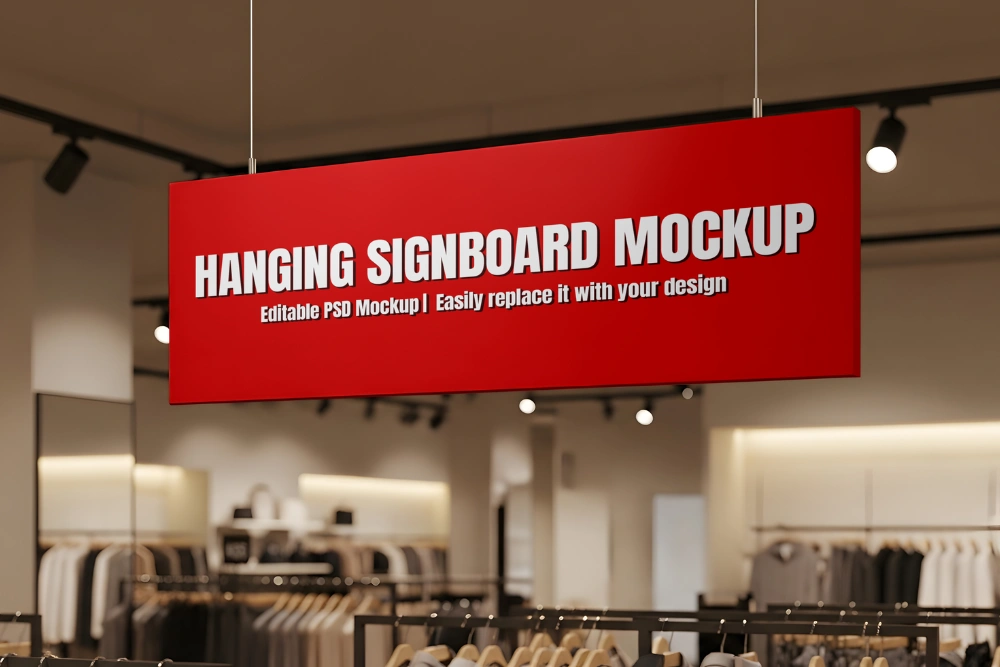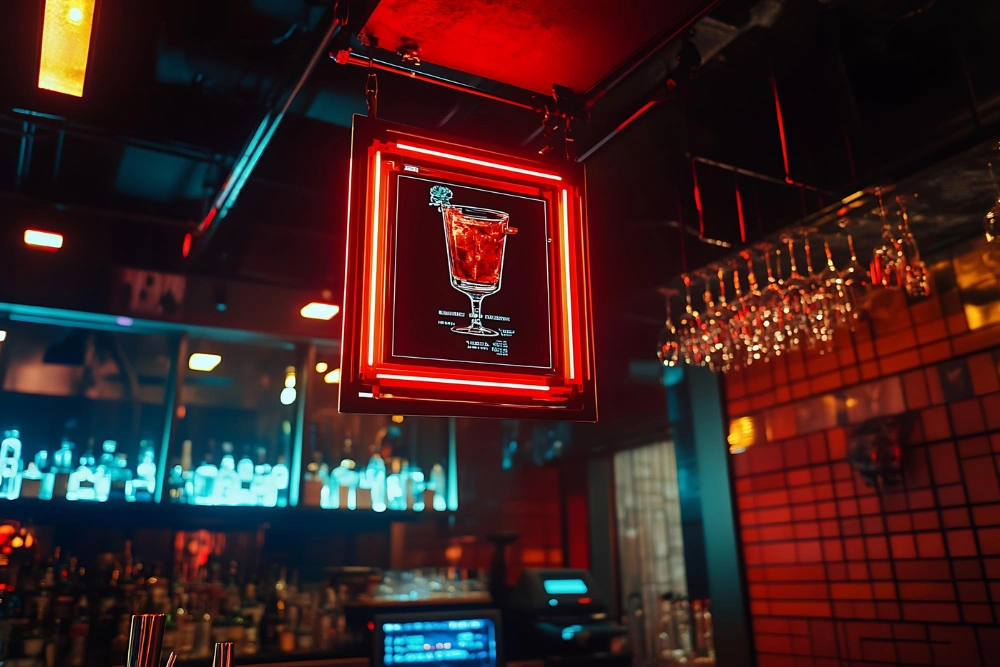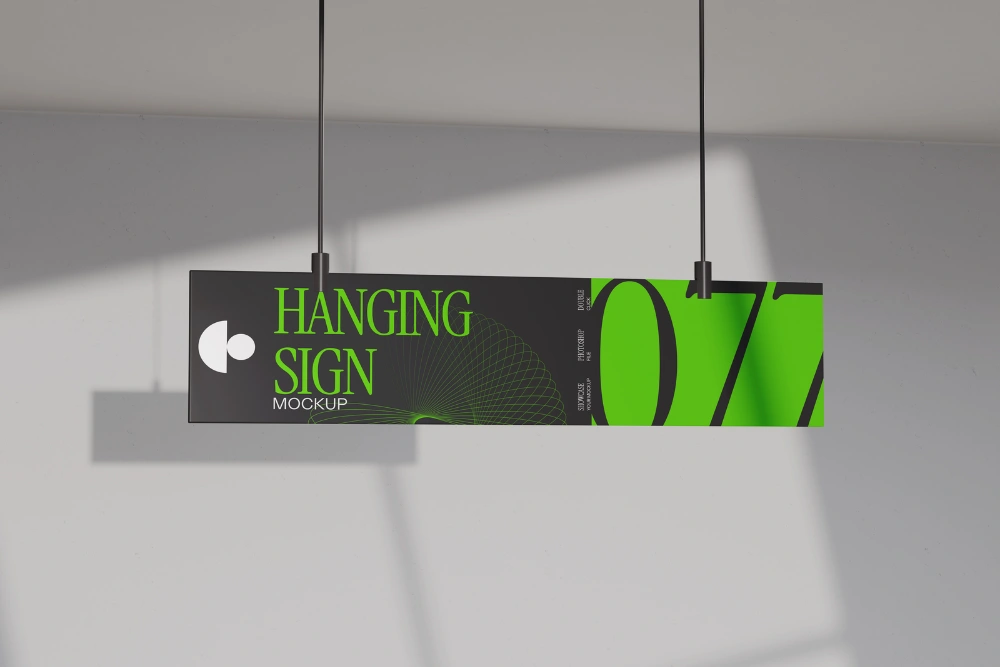
Hospitality environments are built around movement, emotion, and experience. Guests arrive with expectations, time constraints, and varying levels of familiarity with the space. Whether entering a hotel lobby, navigating a restaurant, or moving through a large venue, people instinctively look for visual guidance. Clear signage plays a decisive role in shaping that experience, and hanging signage has become one of the most reliable solutions across the hospitality sector.
This article explores why hospitality spaces increasingly rely on suspended signage, how it supports guest comfort and operational flow, and what makes it effective when thoughtfully planned and executed.
Unlike offices or industrial buildings, hospitality spaces are designed to feel welcoming rather than instructional. Guests should feel guided, not managed. This creates a delicate balance: signage must be visible and informative without appearing intrusive or overly functional.
Hotels, restaurants, bars, and leisure venues often feature open-plan layouts, decorative lighting, and layered interiors. Wall space may be limited by artwork, windows, or architectural features. In these settings, signage that floats within the visual field offers clarity without competing for attention.
This is where hanging signage excels. Positioned above eye level yet within natural sightlines, it communicates direction while preserving the atmosphere that defines hospitality spaces.
Hanging signs are suspended from ceilings or overhead structures, allowing them to be seen from multiple angles. This visibility is particularly valuable in busy environments where guests are moving, carrying luggage, or following staff.
One of the key advantages is predictability. People are conditioned to look upwards for directional cues in unfamiliar spaces. A hanging sign placed at logical decision points reduces hesitation and prevents bottlenecks, especially during peak hours.
Because they are not fixed to walls, hanging signs also remain visible even when furniture layouts change. This flexibility supports hospitality spaces that regularly adapt for events, seasonal layouts, or refurbishments.
Clear signage contributes directly to guest comfort. When people can navigate independently, they feel more relaxed and confident. This sense of ease improves first impressions and encourages positive perceptions of service quality.
In hospitality, staff time is valuable. Well-placed hanging signage reduces the need for repeated directional questions, allowing teams to focus on service rather than guidance. Guests reach their destination smoothly, whether it is a reception desk, restrooms, dining area, or exit.
Importantly, hanging signage achieves this without visual noise. Because it occupies overhead space, it avoids cluttering walls or interrupting interior design themes.
Effective hanging signage requires more than suspension. Design choices determine how well signs integrate into the environment.
Typography should be legible at a distance, with clear letterforms that remain readable under varied lighting. Colour contrast is essential, but tones should complement the interior palette rather than overpower it.
Materials also influence perception. Wood, metal, or acrylic finishes can align signage with brand identity and interior style. In hospitality settings, signs often need to feel crafted rather than industrial.
Scale must be considered carefully. A sign that is too small will be missed; one that is too large can dominate the space. The goal is balance, ensuring guidance is immediate but subtle.
Signage placement should reflect how guests move, not how designers imagine they should move. Hanging signs are most effective when positioned at natural pause points such as entrances, intersections, lift lobbies, and transitions between zones.
For example, in a hotel, overhead signage guiding guests from reception to lifts reduces congestion. In restaurants, hanging signs can discreetly indicate restrooms or private dining areas without interrupting the dining experience.
A Hanging Sign positioned correctly becomes part of the journey rather than an interruption to it.
Beyond navigation, signage also supports safety and reassurance. Clear exit signs, facilities indicators, and directional cues help guests feel secure in unfamiliar environments.
Hanging signage is particularly useful in emergencies or low-visibility conditions because it remains visible above crowds and furniture. This visibility supports calm movement and reinforces trust in the space.
When signage feels intentional and well-integrated, it signals professionalism and care, qualities guests subconsciously associate with higher service standards.
Designing and installing effective hanging signage requires technical understanding as well as aesthetic sensitivity. Weight distribution, fixing methods, ceiling structures, and lighting conditions all influence performance and safety.
Working with professional signage companies ensures signage is not only visually appropriate but also compliant, durable, and suited to the building environment. Experienced providers understand how hospitality spaces operate and can advise on placement, materials, and finishes that support long-term use.
This collaboration helps hospitality operators avoid costly mistakes while achieving a cohesive result.
| Aspect | Hanging Signage | Wall-Mounted Signage |
| Visibility in crowds | High | Moderate |
| Use of wall space | Minimal | Required |
| Adaptability to layout changes | Strong | Limited |
| Integration with open spaces | Excellent | Variable |
| Guest wayfinding efficiency | High | Dependent on placement |
This comparison highlights why suspended signage has become a preferred choice in modern hospitality environments, particularly those designed around openness and flow.
One common mistake is overloading signage with information. Hanging sign should communicate a single, clear message. Too much text reduces readability and slows decision-making.
Another issue is inconsistent design. Mixing styles, fonts, or terminology across signs can confuse guests and weaken brand identity. Consistency builds trust and recognition.
Finally, neglecting maintenance undermines effectiveness. Dust, misalignment, or poor lighting can quickly reduce visibility. Regular checks ensure signage continues to perform as intended.
Hanging signage is not a short-term fix but a long-term investment in guest experience. As hospitality spaces evolve, well-designed suspended signs adapt with minimal intervention.
They support smoother operations, reduce staff pressure, and contribute to an environment where guests feel confident and welcomed. Over time, these benefits translate into stronger reviews, repeat visits, and a more resilient brand presence.
Clear hanging signage has become essential in hospitality spaces because it aligns guidance with experience. By occupying overhead sightlines, hanging signs deliver clarity without compromising atmosphere, helping guests move confidently through unfamiliar environments. When thoughtfully designed, carefully placed, and professionally installed, a Hanging Sign becomes part of the architecture rather than an afterthought. In an industry defined by comfort and perception, this quiet clarity is what allows hospitality spaces to function seamlessly while still feeling warm, intuitive, and human.
© 2026 Foamex Board. All Rights Reserved.