Modern dental clinics are no longer judged solely on clinical outcomes. Patients today assess a practice within seconds of entering, forming opinions based on atmosphere, clarity, and emotional comfort. In a space where anxiety is common and trust is essential, interior design plays a decisive role. One of the most overlooked yet powerful elements within this environment is the ceiling.
A statement ceiling piece, particularly when integrated with signage or visual features, can transform how a clinic feels and functions. From improving wayfinding to creating calm and confidence, ceiling-led design has become a strategic tool rather than a decorative afterthought. This article explores why modern dental clinics increasingly rely on ceiling features to elevate patient experience and operational clarity.
Ceilings occupy a large portion of a patient’s visual field, especially in dental environments where people spend significant time reclined. A blank or poorly considered ceiling can amplify discomfort, while a thoughtful feature can distract, soothe, or reassure.
A statement ceiling piece draws attention upward, subtly shifting focus away from clinical equipment and procedures. This redirection reduces perceived stress and creates a more balanced sensory experience. In modern practices, ceilings are no longer hidden surfaces; they are active contributors to patient wellbeing.
A statement ceiling piece is a deliberate design element that adds visual interest, structure, or information overhead. It may incorporate form, colour, lighting, or messaging, but it always serves a purpose beyond decoration.
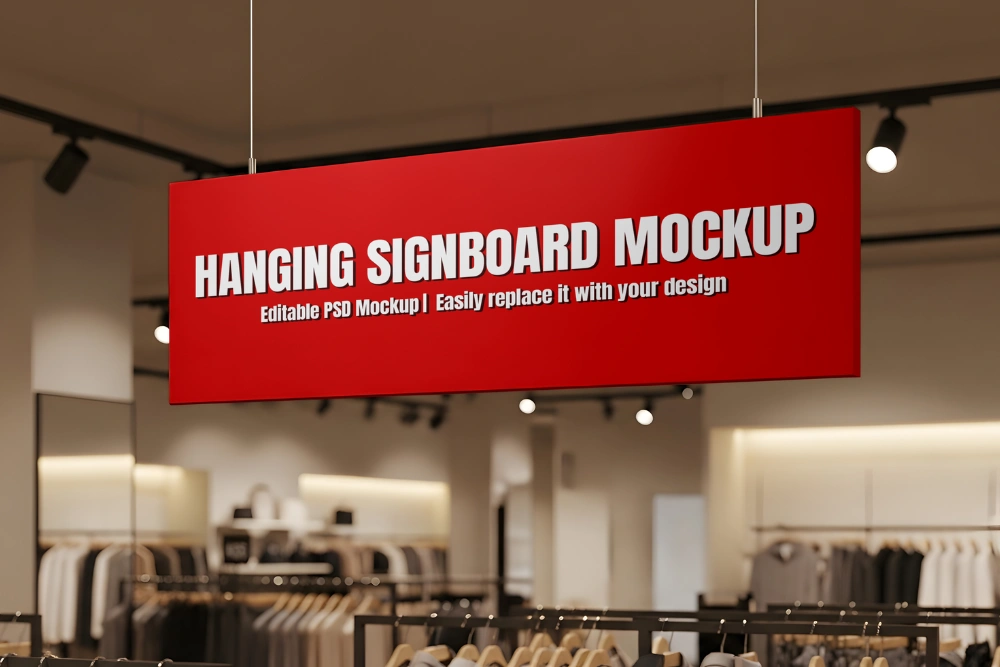
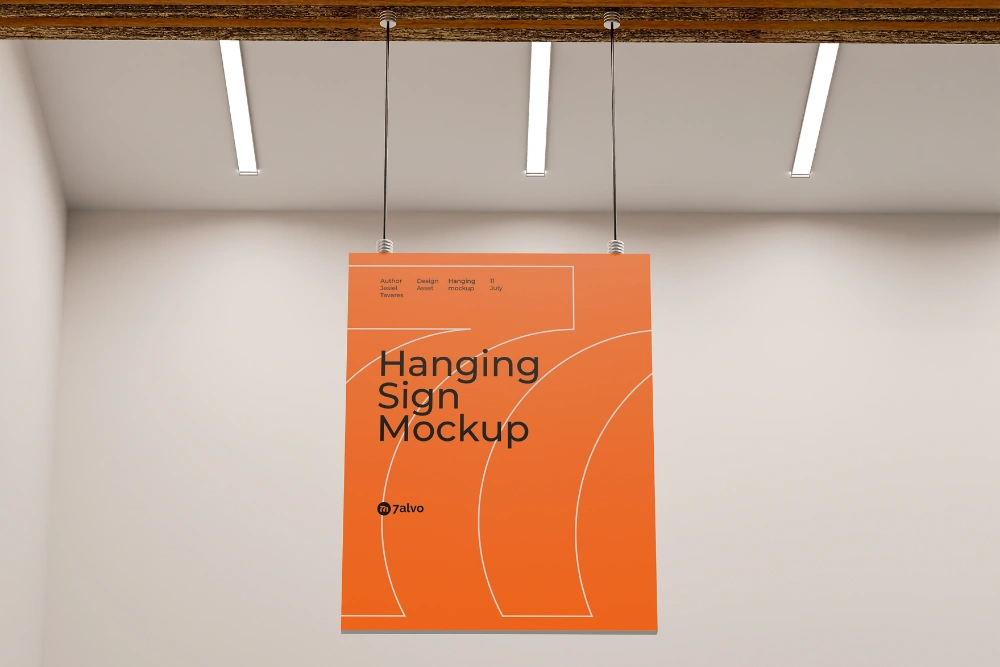
In dental clinics, these pieces often combine aesthetics with function. Hanging ceiling signs are a common example, providing clear navigation while reinforcing brand identity. When designed cohesively, they become part of the architecture rather than an add-on.
Wayfinding is critical in healthcare settings. Patients may already feel uneasy, and confusion about where to go increases stress. Ceiling-based guidance offers a solution that does not overwhelm walls or compete with equipment.
Hanging ceiling signs work particularly well in reception areas, corridors, and transition zones between waiting spaces and treatment rooms. Positioned within natural sightlines, they guide movement intuitively, reducing hesitation and reliance on staff directions.
Because they are suspended overhead, these signs remain visible even when spaces are busy. This clarity supports smoother flow and a calmer overall environment.
A modern dental clinic is also a brand. Consistent visual language builds trust and credibility. Ceiling features offer an opportunity to reinforce that identity in a subtle yet memorable way.
Typography, colour, and material choices used in hanging ceiling signs can echo other brand touchpoints, creating cohesion throughout the space. Patients may not consciously analyse these details, but they feel the difference when a clinic appears considered and well-designed.
A statement ceiling piece signals investment and care. It tells patients that the practice values their experience as much as their treatment.
Lighting is closely tied to ceiling design. Integrated lighting within ceiling features can soften harsh clinical brightness, creating a more welcoming atmosphere without compromising visibility.
Gentle illumination around ceiling elements helps define spaces and guide attention. In waiting areas, this approach encourages relaxation. In corridors, it provides reassurance and orientation.
When combined thoughtfully, ceiling features and lighting work together to make the clinic feel less intimidating and more human.
Beyond aesthetics, ceiling pieces offer practical advantages. They free up wall space for equipment, storage, or artwork, allowing interiors to remain uncluttered.
In clinics that expand or reconfigure, ceiling-mounted features adapt more easily than fixed wall graphics. This flexibility is valuable in modern practices that evolve with technology and patient needs.
Hanging ceiling signs also maintain visibility regardless of furniture changes, ensuring consistent guidance over time.
Integrating ceiling features effectively requires coordination between design vision and technical execution. Ceiling loads, fixing points, lighting integration, and compliance all need careful planning.
This is where specialist dental practice builder expertise becomes relevant. A design-led approach ensures that statement ceiling pieces are not only visually impactful but also structurally sound and aligned with clinical workflows. When ceiling elements are planned as part of the overall design rather than added later, they enhance both form and function.
| Aspect | Statement Ceiling Pieces | Traditional Wall Signage |
| Patient visual engagement | High | Moderate |
| Wayfinding clarity | Strong | Dependent on layout |
| Impact on wall space | Minimal | Requires wall area |
| Emotional influence | Calming, reassuring | Neutral |
| Adaptability to layout changes | High | Limited |
This comparison highlights why ceiling-based solutions are increasingly favoured in contemporary dental environments.
One common mistake is overcomplicating the ceiling. Too many elements or excessive graphics can overwhelm rather than calm. Statement pieces should be deliberate and restrained.
Another issue is inconsistency. Ceiling features should align with the rest of the interior design. Mixing styles or colours without a clear rationale weakens impact and confuses perception.
Finally, neglecting maintenance can undermine even the best design. Dust, misalignment, or lighting failures quickly reduce the effectiveness of ceiling features.
A statement ceiling piece should be designed with the future in mind. Materials should age well, lighting should be serviceable, and messaging should remain relevant even as services evolve.
Hanging ceiling signs that use modular systems allow for updates without full replacement. This approach supports long-term value and reduces disruption during changes.
By planning ahead, clinics ensure their ceiling features remain assets rather than obstacles.
In dental clinics, patients spend a surprising amount of time looking upward. This simple fact makes the ceiling one of the most influential surfaces in the building.
A thoughtfully designed statement ceiling piece turns that upward glance into a positive experience. It reassures, guides, and communicates professionalism without a single spoken word.
A statement ceiling piece is no longer a luxury in modern dental clinics; it is a strategic design choice. By combining aesthetics, wayfinding, and emotional reassurance, ceiling features elevate patient experience while supporting efficient operations. Hanging ceiling signs, when integrated thoughtfully, offer clarity without clutter and confidence without intrusion. In an environment where trust is built through both care and perception, looking up may be one of the most powerful design decisions a clinic can make.
© 2026 Foamex Board. All Rights Reserved.