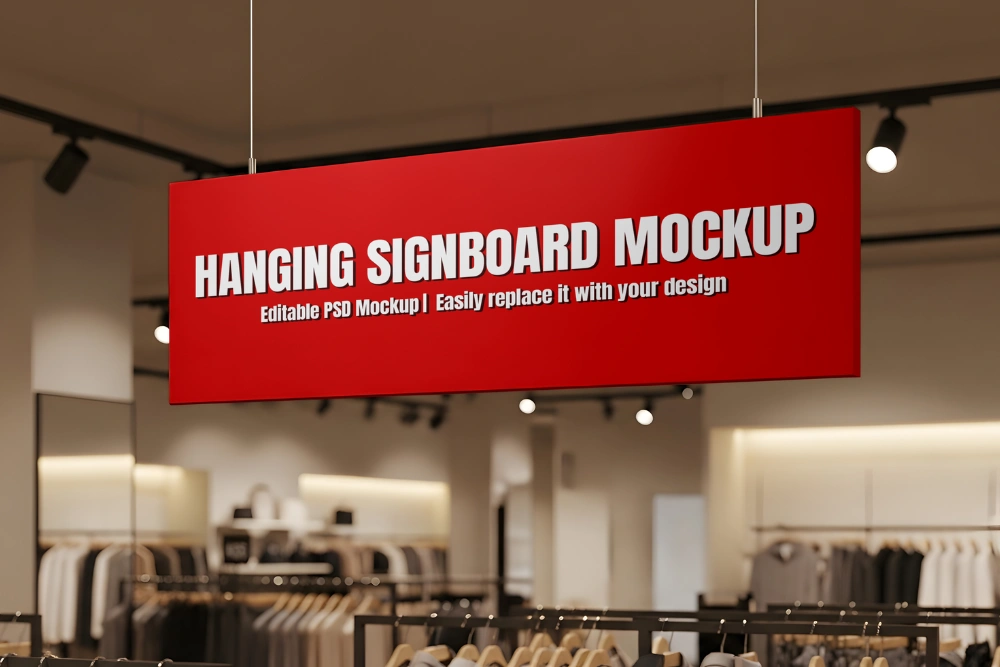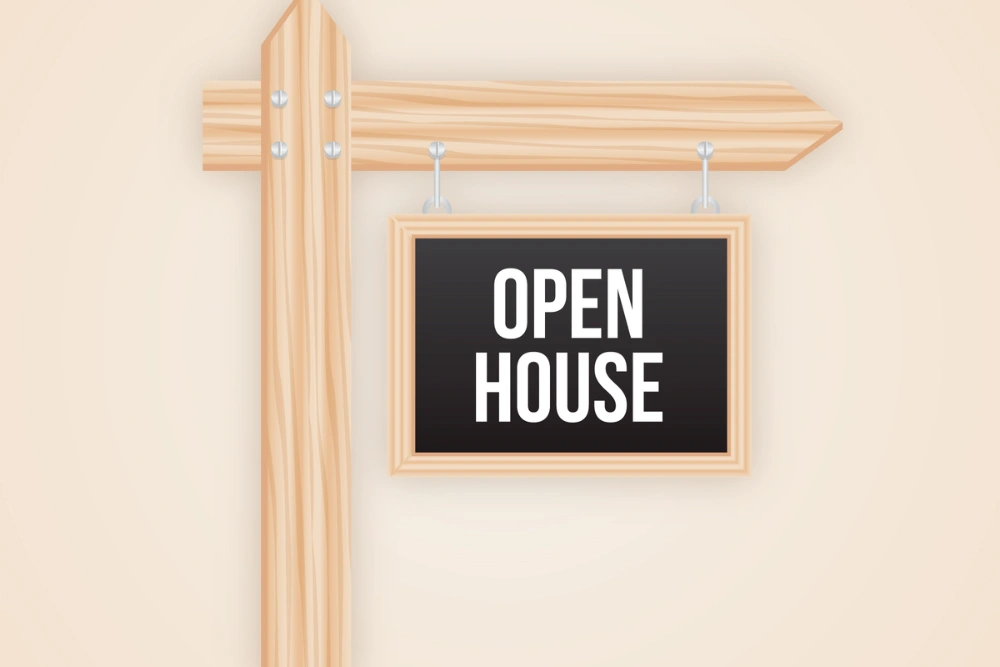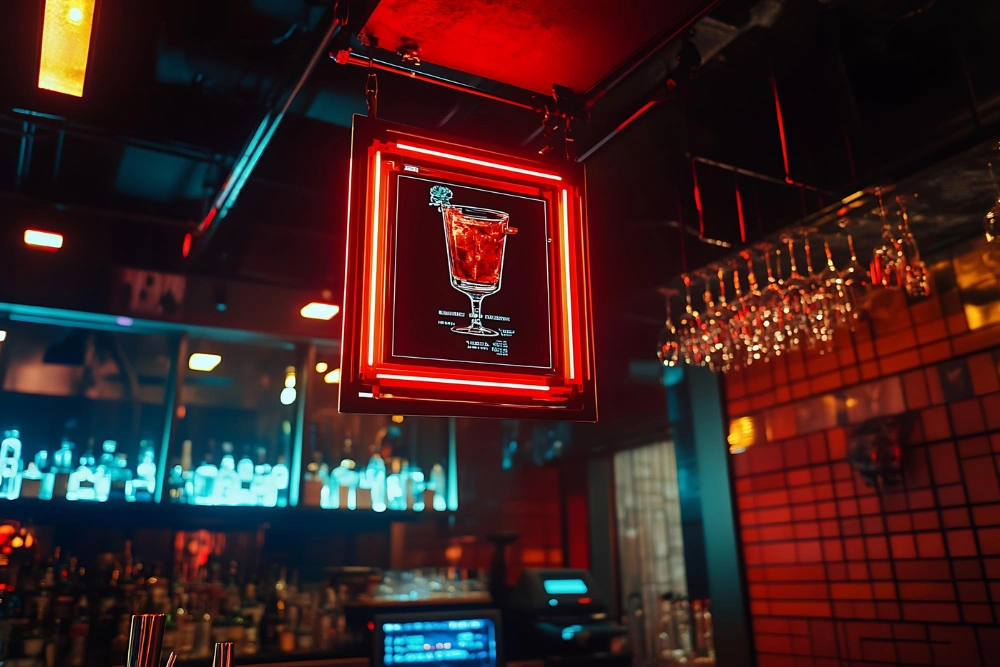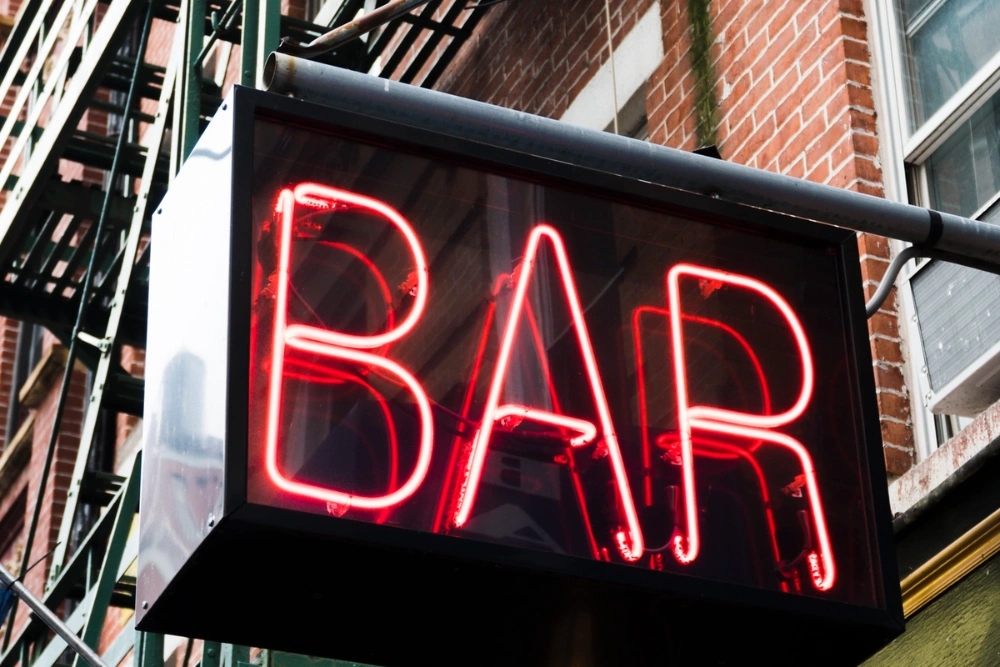
A bar’s atmosphere is never accidental. It is shaped by light, sound, texture, and the subtle visual cues that tell guests what kind of experience awaits them. Among these cues, signage plays a surprisingly influential role. A well-considered bar sign does more than identify a venue; it establishes tone, sparks curiosity, and reinforces identity before a single drink is poured.
Hanging signs, in particular, offer a powerful way to communicate character without overwhelming the space. Suspended within the natural line of sight, they become part of the architecture rather than an afterthought. This guide explores ten thoughtful ideas to help you craft a sign that elevates atmosphere, supports branding, and leaves a lasting impression.
Before exploring ideas, it is worth understanding why suspended signage works so well in hospitality settings. A bar hanging sign occupies shared visual space, visible from multiple angles and distances. It guides movement, anchors focal points, and subtly defines zones within an interior.
Unlike wall-mounted graphics, hanging signs interact with light and shadow. They can feel intimate or dramatic depending on scale and material. When chosen carefully, they reinforce the mood you want guests to feel the moment they step inside.
Natural textures for warmth
Wood, brushed metal, or aged finishes bring a tactile quality that guests instinctively respond to. Timber suits relaxed, social spaces, while metal suggests confidence and structure.
Matching material to concept
A neighbourhood pub may benefit from reclaimed wood, while a cocktail bar might favour sleek finishes. The material choice should quietly echo the drinks, service style, and clientele.
Fonts shape perception
Letterforms communicate personality. Hand-drawn styles feel informal and welcoming, while clean, geometric fonts signal precision and modernity.
Legibility without shouting
The most effective signs balance clarity with restraint. Guests should read the sign easily without it dominating the room.
Illuminated or ambient
Soft backlighting can make a sign glow subtly, enhancing the atmosphere without harsh brightness. In darker venues, illumination improves visibility while adding drama.
Light as mood-setter
Warm lighting supports comfort and conversation, while cooler tones suit minimalist or late-night settings.
Proportion matters
Oversized signs can overwhelm small bars, while undersized ones disappear in open-plan venues. Scale should relate to ceiling height and viewing distance.
Using height creatively
A bar hanging sign can draw the eye upwards, making spaces feel taller and more considered when positioned correctly.
More than a name
Signs can include subtle taglines, symbols, or motifs that hint at what makes the bar special.
Visual storytelling
Rather than stating everything outright, layered design allows guests to discover meaning over time, creating familiarity and loyalty.
Nostalgia without pastiche
Vintage-inspired signage can feel authentic when paired with contemporary finishes or layouts.
Bridging eras
This blend works particularly well in bars that respect tradition while offering modern menus or music.
Less can be more
A simple sign with confident spacing and restrained colour can stand out in busy interiors.
Trusting the audience
Minimalist design suggests assurance. It invites guests in without overexplaining the experience.
Guiding without clutter
Hanging signs can indicate bar areas, cocktail zones, or private spaces while remaining visually refined.
Form meets function
When functional signage is designed with care, it contributes to atmosphere rather than detracting from it.
Beyond rectangles
Circular, arched, or bespoke shapes add visual interest and help a sign feel crafted rather than generic.
Reinforcing brand identity
Unique silhouettes become recognisable over time, strengthening recall and distinctiveness.
Learning from professional environments
Clear and reassuring signage is essential in professional environments where visitors may already feel uncertain or anxious. A dentist Wimbledon, offering services such as general care, cosmetic treatments, implants, Invisalign, and emergency dentistry, relies on calm, legible signage to guide patients smoothly through the practice and reinforce a sense of professionalism before treatment begins.
Hospitality venues can apply the same principle by using clear, well-positioned signage to reduce hesitation, help guests orient themselves quickly, and create a welcoming atmosphere that encourages confidence and engagement.
Emotional continuity
When guests feel visually at ease, they are more likely to stay longer and return.
Ensure that suspension points are secure and appropriate for the sign’s weight. Safety should never compromise design ambition.
View the sign from entrances, seating areas, and behind the bar. A bar hanging sign should support movement, not interrupt it.
Choose finishes that age well and designs that remain relevant even as menus or branding evolve.
From a digital perspective, signage often appears in photography, reviews, and social media content. A distinctive sign becomes part of your online presence without forcing overt marketing language.
Using a bar hanging sign that reflects genuine atmosphere encourages organic sharing and strengthens brand consistency across physical and digital touchpoints.
A bar sign does far more than announce a name; it frames the experience that follows. When designed with intention, it communicates mood, confidence, and character before a word is spoken or a drink is poured. Thoughtful signage respects its surroundings, speaks to the right audience, and works in harmony with lighting, space, and sound. This quiet alignment shapes perception without demanding attention. In an industry where competition is constant and impressions are formed instantly, signage that feels purposeful rather than performative creates lasting impact. It is often this understated clarity that transforms a simple visit into a place people remember and revisit.
© 2026 Foamex Board. All Rights Reserved.