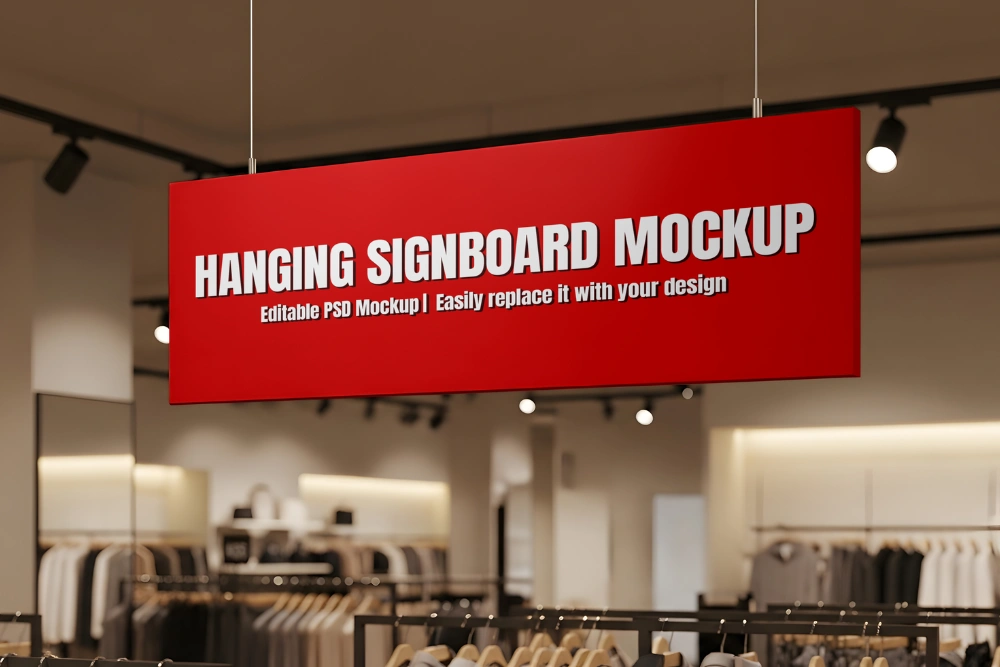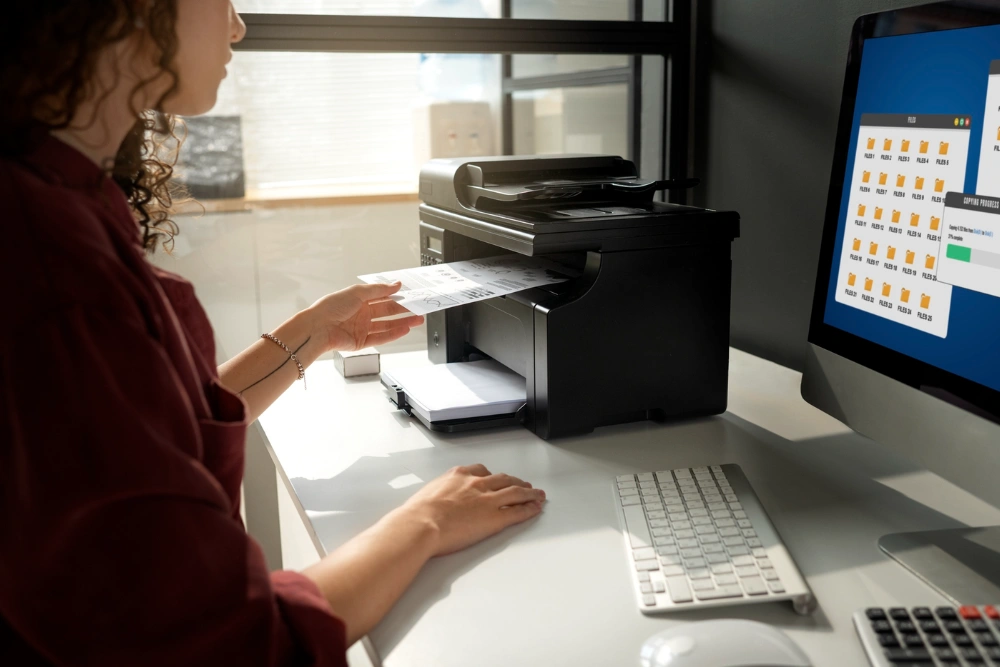
Point-of-sale materials remain one of the most influential tools in physical retail. From countertop displays to shelf talkers and window notices, well-produced POS assets guide purchasing decisions at the exact moment customers are ready to buy. However, one strategic question continues to challenge retailers and brands alike: should you invest in bulk printing or rely on print-on-demand for your POS needs?
The answer is rarely universal. The right choice depends on scale, consistency, budget, and how often messaging changes. This guide explores both approaches in detail, helping you decide which model best supports your pos printing strategy while keeping your operations flexible and future-ready.
POS printing refers to the production of printed materials designed to influence shoppers within a retail environment. These materials often include promotional signs, price displays, product information panels, and seasonal graphics. Unlike long-form marketing materials, POS items must communicate quickly and clearly, often in visually crowded spaces.
Because POS assets are highly visible and frequently updated, printing decisions have a direct impact on cost efficiency, brand consistency, and speed to market. Choosing between bulk printing and print-on-demand shapes how easily a business can respond to trends, promotions, and operational changes.
Bulk printing involves producing large quantities of identical POS materials in a single print run. This approach is traditionally favoured by retailers with stable branding, consistent promotions, and multiple locations requiring the same assets.
The primary advantage of bulk printing lies in unit cost. The more items produced, the lower the cost per piece becomes. For campaigns rolled out nationally or across long timeframes, this can represent significant savings.
However, bulk printing requires careful forecasting. Ordering too many materials can lead to waste if designs change, promotions end early, or messaging needs to be updated. Storage and distribution also become important considerations, particularly for businesses operating across multiple sites.
Print-on-demand allows POS materials to be produced only when needed, often in smaller quantities. This model prioritises flexibility over scale, making it well suited to retailers with frequently changing promotions or location-specific messaging.
With print-on-demand, updates can be made quickly without worrying about unused stock. This is particularly useful for short-term offers, regional variations, or test campaigns. While the cost per unit is typically higher than bulk printing, the reduction in waste and storage requirements can offset this difference.
For modern pos printing strategies that prioritise agility, print-on-demand offers a responsive solution aligned with fast-moving retail environments.
Cost is often the deciding factor, but it should be evaluated beyond headline pricing. Bulk printing offers clear savings on a per-unit basis, making it attractive for high-volume, long-duration use. However, these savings can quickly diminish if materials become obsolete.
Print-on-demand spreads costs over time and reduces upfront expenditure. This can be beneficial for smaller businesses or those testing new concepts. While each item costs more individually, there is less risk of overproduction.
When assessing cost, it is helpful to consider not just print price, but also storage, handling, and disposal of outdated POS materials.
Retail is increasingly driven by speed. Promotions respond to seasonal trends, local events, and changing customer behaviour. In this context, the ability to update POS materials quickly can be a competitive advantage.
Print-on-demand excels in responsiveness. Designs can be amended and reprinted with minimal delay, supporting rapid campaign adjustments. Bulk printing, by contrast, requires longer lead times and commitment to fixed designs.
That said, bulk printing can still support speed when campaigns are planned well in advance and remain consistent across locations.
Customers expect the same visual standards and messaging regardless of location. Bulk printing offers strong control here, as all materials are produced in one run, ensuring uniform colour, finish, and layout.
Print-on-demand can also achieve consistency, but it relies more heavily on accurate file management and process control. Variations can occur if specifications are not tightly managed.
For brands where visual identity is central, bulk printing provides reassurance. For others, the flexibility of print-on-demand may outweigh minor variations, particularly when designs are refreshed regularly.
| Factor | Bulk Printing | Print-on-Demand |
| Unit cost | Lower at scale | Higher per item |
| Flexibility | Limited once printed | High |
| Waste risk | Higher | Minimal |
| Storage needs | Required | Not required |
| Speed of updates | Slower | Faster |
| Best for | Large, stable campaigns | Dynamic, short-term use |
The right choice depends on how POS materials are used within your wider retail strategy.
Core POS assets such as permanent signage and brand-led displays are produced in bulk, while promotional or location-specific items are printed on demand.
This blended model balances efficiency with adaptability. It ensures consistent branding while allowing retailers to respond quickly to new opportunities or challenges. As pos printing continues to evolve, hybrid strategies are becoming increasingly common across sectors.
Interestingly, lessons from digital tools can inform print decisions. For example, platforms such as an app for driving test show how responsive, user-focused design adapts to individual needs in real time, a principle that can also be applied to effective printed communication.
In a similar way, print-on-demand POS materials allow retailers to tailor messaging quickly and precisely, reducing friction and increasing relevance. This parallel highlights why flexibility is becoming just as important in physical retail as it is in digital experiences.
Choosing between bulk printing and print-on-demand should be based on clear operational priorities. Consider how often your messaging changes, how many locations you serve, and how important speed is to your campaigns.
Retailers with predictable, long-term promotions often benefit from bulk printing. Those operating in fast-changing markets or testing new concepts may find print-on-demand more effective. Reviewing performance regularly ensures your approach continues to support both commercial goals and customer expectations.
Bulk printing and print-on-demand each offer distinct advantages for POS materials. Bulk printing delivers cost efficiency and consistency for large-scale, stable campaigns, while print-on-demand provides agility and reduces waste in dynamic retail environments. The most effective pos printing strategies often blend both approaches, aligning production methods with campaign objectives. By evaluating cost, flexibility, and speed in equal measure, businesses can make informed decisions that strengthen in-store communication and support long-term growth.
© 2026 Foamex Board. All Rights Reserved.